
Miramar, FL · Garage Door Service
What Power Outages Do to an Older Miramar Garage Door Opener
Miramar homes built between 1953 and 2005 often run openers wired without battery backup. Here's what outages do to them and when a repair isn't worth it.
- Repairs & new doors
- Springs & openers
- Serving 4 nearby communities
The Situation
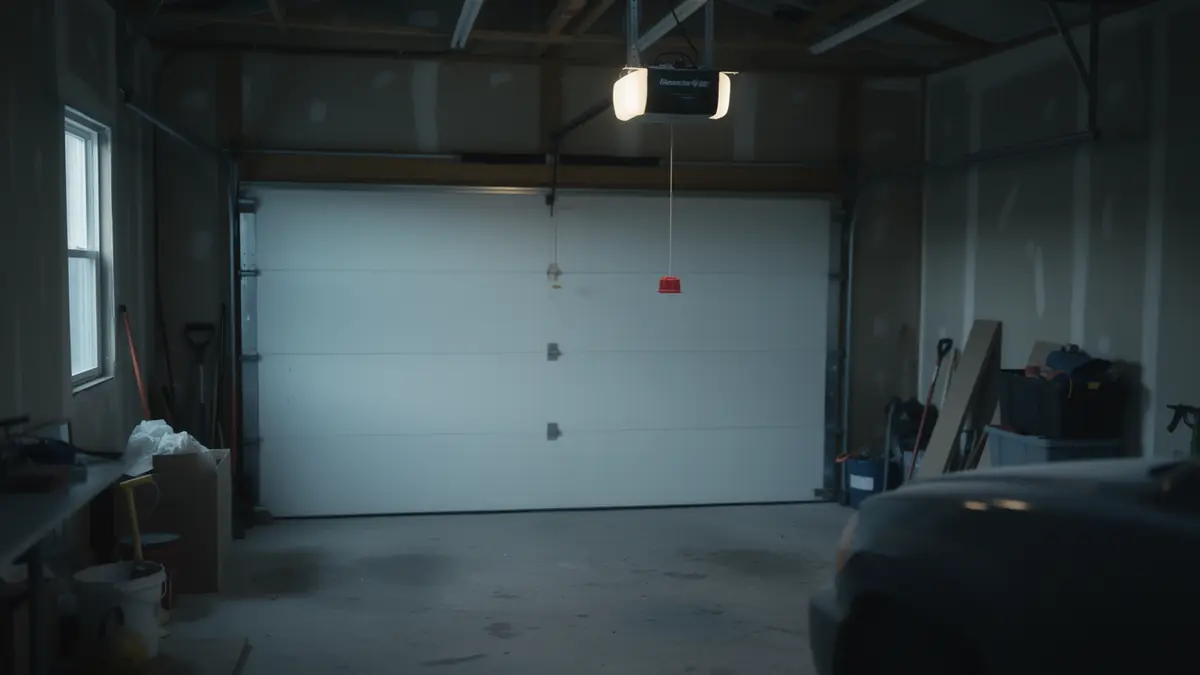
Most houses in Miramar went up between 1953 and 2005, with the median year landing around 1972. That means the bulk of the garage stock is still running openers from the 1960s and 70s builds, or a straight swap unit bolted onto the original track years later. A lot of those chain-drive motors were wired straight into house current with no battery backup at all. Pull the plug - or lose power on the block - and the opener goes dark immediately. The door sits locked on its track until someone finds the manual release cord hanging from the carriage and pulls it by hand. Across the wider service area there are 130,249 owner-occupied houses and a median household income of $66,858, which tells you plainly that most owners are not replacing an opener just because it is old; they are living with whatever came with the house or got swapped in once, a long time ago. That is the baseline you are working from here: aging openers, no backup power, and a door that goes fully manual the second the breaker trips or the grid does.
What the Weather Here Does to It
Miramar sits in a mild temperate band - no freeze-thaw cycle to crack housings or seize metal, which is one thing this area does not have to fight. But mild does not mean dry. Humidity sits on steel rail and gear teeth year-round, and over four or five decades that moisture works into the limit switch contacts and the circuit board traces on an opener that was never sealed for it. On a house built in the 1960s or 70s, that board has had fifty-plus years of humid air passing through the housing vents. Corrosion on a contact point reads to the owner as "the opener just stopped working" when the real cause is a decade of slow oxidation finally breaking the connection. The lack of freeze damage is a genuine break this area gets; the trade-off is corrosion damage that shows up quieter and later, after the warranty and the installer are both long gone.
Where People Go Wrong
The first move most owners make is to reset the breaker and press the wall button again, which is fine once. Pressing it five more times when nothing happens just runs down a motor that is already drawing high current trying to push a door it cannot move. The second move is yanking the manual release cord mid-cycle, which is meant for emergencies, not as a daily workaround while you "figure out the opener later." Do that for weeks and the carriage and rail take wear they were not built for. The third mistake is assuming a dead opener during an outage means a dead opener, full stop - on a lot of these older units it is just the absence of battery backup, not a failed motor. People replace a working unit because they never got a straight answer about whether backup power was the actual gap.
When It Stops Being a DIY Job
If the opener runs but the board shows corrosion damage inside the housing, or the motor hums without turning the sprocket, that is a parts-and-labor call, not a weekend fix. On a unit that traces back to a house built in the 1960s or 70s, replacement usually makes more financial sense than chasing down parts for a discontinued chain-drive motor - the trade-off is that a newer opener with battery backup solves the power-cut problem for good instead of leaving you pulling a release cord every time the grid blinks. One limitation worth saying plainly: we don't do home electrical panel work. If the real problem is upstream of the opener - a breaker that keeps tripping, wiring in the wall - that's an electrician's job, and we'll tell you so rather than charge you to swap a motor that was never the issue.
Frequently asked questions
Why does my garage door opener die the instant the power goes out?
Most openers on Miramar houses built from the 1960s through the 1990s were wired straight into house current with no battery backup. When power outages out, the motor has nothing to draw on, so the door locks on its track until you pull the manual release cord by hand.
Is my old opener worth repairing or should I replace it?
If the motor itself has failed or the board shows corrosion inside the housing, replacement with a battery-backup model usually costs less over time than hunting parts for a decades-old chain-drive unit. A straightforward switch failure is worth repairing; a dead motor on a 50-year-old board usually isn't.
Can humidity really damage an opener that isn't exposed to rain?
Yes. Miramar's mild temperate climate means no freeze cracking, but humid air still moves through the housing vents constantly. Over decades it corrodes limit switch contacts and circuit board traces, which can cause intermittent failures that look like a dead motor but aren't.
Do you handle breaker or wiring problems causing the opener to fail?
No. We work on the opener, track, and door hardware, not home electrical panels or house wiring. If a tripping breaker or bad wiring is the actual cause, that's an electrician's job, and we'll say so rather than replace parts that aren't the problem.
Related garage door services in Miramar
More garage door guides
Book garage door service in Miramar
Call now or request a quote - tell us what the door is doing and where you are.